All Games
456 games
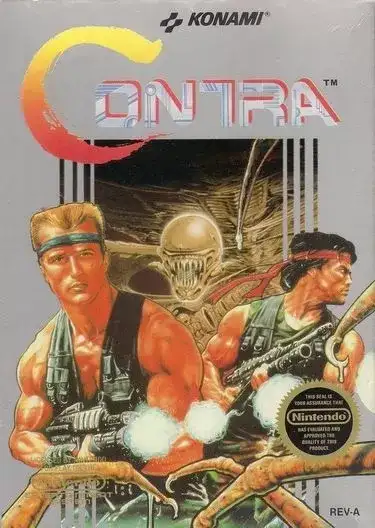
Contra
Contra is a 1987 run and gun game developed and published by Konami for arcades. A home version was released for the Nintendo Entertainment System in 1988, along with ports for various home computer formats, including the MSX2. The arcade and computer versions were localized as Gryzor in Europe, and the NES version as Probotector in the PAL region. The arcade game was a commercial success worldwide, becoming one of the top four highest-grossing dedicated arcade games of 1987 in the United States. The NES version was also a critical and commercial success, with Electronic Gaming Monthly awarding it for being the Best Action Game of 1988. Several Contra sequels were produced following the original game.
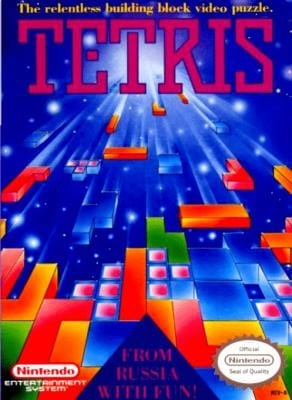
Tetris
Tetris is a 1989 puzzle video game developed and published by Nintendo for the Nintendo Entertainment System (NES). Based on Tetris (1985) by Alexey Pajitnov, it was released after a legal battle between Nintendo and Atari Games, who had previously released a console port outside of the terms of their Tetris license. Bullet-Proof Software had previously released Tetris for the Family Computer in December 1988, while Nintendo had released Tetris for the Game Boy earlier in 1989. Nintendo licensed exclusive home console rights for the Tetris intellectual property from Soviet authorities, leaving Atari Games unaware that they did not possess these rights from their own license. Being forced to quickly recall their version of Tetris for the NES was a major setback to Atari Games and their involved subsidiary Tengen. American reviewers held Nintendo's version to be an inferior product to the recalled Atari Games version.
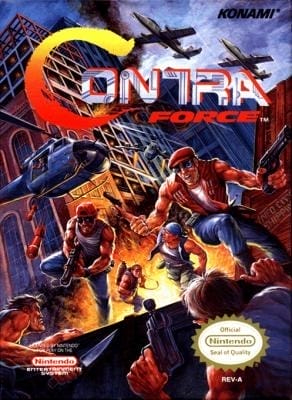
Contra Force
Contra Force is a 1992 run and gun game developed and published by Konami for the Nintendo Entertainment System in North America. It is a spinoff of the Contra series, being the third game in the series released for the NES following the original Contra and Super Contra. However, the game's plot and setting are unrelated to both previous and succeeding entries, as the villains in the game are human terrorists instead of an alien menace. The game was scheduled to be released in Japan under the title of Arc Hound (アークハウンド, Āku Haundo), with no ties to the Contra series, but was cancelled.
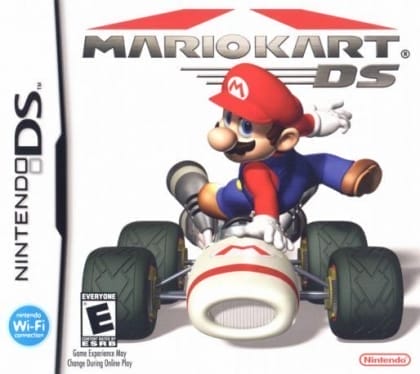
Mario Kart DS
Mario Kart DS is a 2005 kart racing game developed and published by Nintendo for the Nintendo DShandheld game console. Like other games in the series, Mario Kart DS features characters from the Mario series "Mario (franchise)") and pits them against each other as they race in karts on tracks based on locations in the Mario series. It was released in November 2005 in North America, Europe, and Australia, and on December 8, 2005, in Japan, and rereleased for the Wii U's Virtual Console in North America and PAL regions in April 2015 and in Japan in May 2016. The game is the fifth main entry in the Mario Kart series, and the first playable via the Nintendo Wi-Fi Connection online service. Mario Kart DS was acclaimed for its refined gameplay, robust single-player content, and innovative multiplayer features, particularly its pioneering online Wi-Fi functionality.
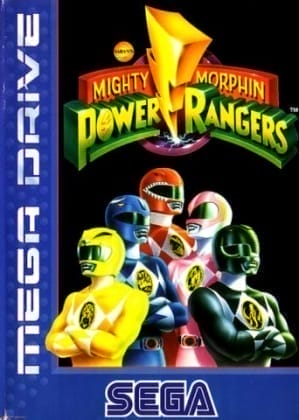
Mighty Morphin Power Rangers
Mighty Morphin Power Rangers is the title of five different video games based on the first season of the television series of the same name, one for each of the following game platforms: Sega Genesis, Super Nintendo Entertainment System, Game Boy, and Game Gear. The Nintendo versions of the game were released by Bandai, while the Sega versions were published by Sega itself and the production of the cartridge versions was carried by Banpresto, a pseudonym of Bandai. The Green Ranger is only playable on the Genesis and Game Gear versions of the game. The Super NES version of Mighty Morphin Power Rangers is a side-scrolling action game composed of seven stages, with two different gameplay styles. The four reviewers of Electronic Gaming Monthly gave the Super NES game ratings of 7/10, 6/10, 6/10 and 7/10. Three reviewers said it was too similar to other games in the genre, with one saing it's "just another mindless Final Fight-type game.
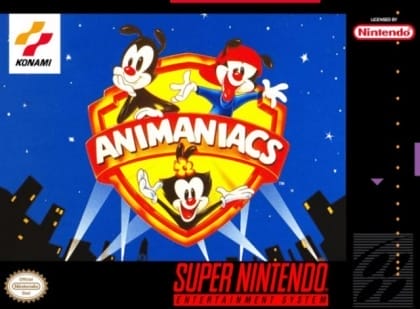
Animaniacs
In the SNES version, the Brain once again has another plan to conquer the world by deciding to steal the script of the new Warner Bros. film while it was under development. The CEO of Warner Bros. studio reluctantly asks the Warner Siblings for their assistance to retrieve all 24 pages of the script and foil the Brain's plan, which is the primary objective of the game. The ending of the game depends on how many script pages are collected, with the best ending leading to Warner Bros. being able to complete the film, pleasing the CEO, only to find out that the film was about the Warner Siblings, which pleases them.
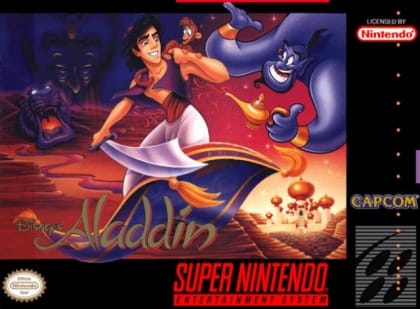
Aladdin
Aladdin is a 1993 platform game developed and published by Capcom for the Super Nintendo Entertainment System, based on the 1992 animated Disney film of the same name. Disney's Aladdin is a 2D side-scrolling video game in which the player controls Aladdin and his monkey Abu. It was designed by Shinji Mikami. The game was released in November 1993, the same month that another game with the same title was released by Virgin Games for the Sega Genesis. The two games vary in some respects; in the Genesis game, Aladdin wields a scimitar, which is not the case in the Capcom game. The Capcom game was ported to the Game Boy Advance (GBA) in Japan on August 1, 2003, in Europe on March 19, 2004, and in North America on September 28, 2004.
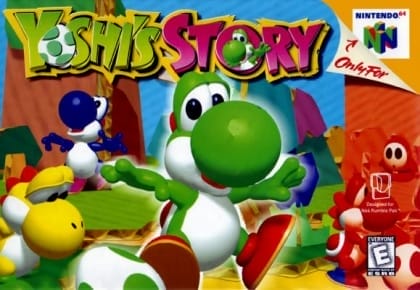
Yoshi's Story
Yoshi's Story is a 1997 platform game published and developed by Nintendo for the Nintendo 64. Following the Super NES game Yoshi's Island (1995), it is the second main installment in the Yoshi series and the second released for a home console. It was released in Japan in December 1997, and worldwide the following year. The game has been subsequently re-released on the Wii, Wii U, and Nintendo Switch. Development was handled by Nintendo EAD and led by Hideki Konno and Takashi Tezuka. It was the first Yoshi platformer not to be produced nor directed by Shigeru Miyamoto, although he contributed design ideas and acted as supervisor for the game. The score was composed by Kazumi Totaka, who provided the voice of Yoshi in the game. Continuing within the platform genre with gameplay similar to its predecessor, Yoshi's Story is more puzzle-oriented, with most challenges being tied to the strategic achievement of a high score.
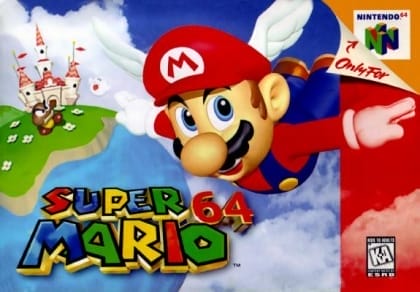
Super Mario 64
Super Mario 64 is a 1996 platform game developed and published by Nintendo for the Nintendo 64. It is the first Super Mario game to feature 3D gameplay, combining traditional Super Mario gameplay, visual style, and characters in a large open world. In the game, Bowser invades Princess Peach's castle, kidnaps her, and hides the castle's Power Stars in different worlds inside magical paintings. As Mario, the player traverses levels and collects Power Stars to unlock areas of the castle, reach Bowser and rescue Peach. Director Shigeru Miyamoto conceived a 3D Super Mario game during the production of Star Fox "Star Fox (1993 video game)") (1993). The team spent about one year on design and twenty months on production, starting with the virtual camera system. The team continued with illustrating the 3D character models and refining sprite movements. Yoji Inagaki recorded the sound effects, and the score was composed by Koji Kondo.
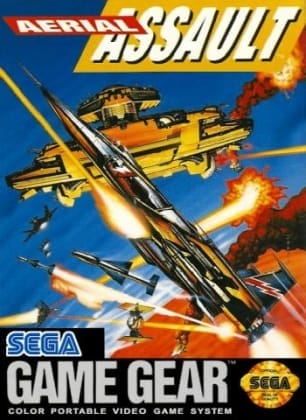
Aerial Assault
Text is available under the Creative Commons Attribution-ShareAlike 4.0 License; additional terms may apply. By using this site, you agree to the Terms of Use and Privacy Policy. Wikipedia® is a registered trademark of the Wikimedia Foundation, Inc., a non-profit organization. Privacy policy About Wikipedia Disclaimers Contact Wikipedia Legal & safety contacts Code of Conduct Developers Statistics Cookie statement Mobile view Edit preview settings Search Search - Toggle the table of contents Aerial Assault [](http://en.wikipedia.org/wiki/Aerial_Assault#)[](http://en.wikipedia.org/wiki/Aerial_Assault#)[](http://en.wikipedia.org/wiki/Aerial_Assault#)[](http://en.wikipedia.org/wiki/Aerial_Assault#)[](http://en.wikipedia.org/wiki/Aerial_Assault#)[](http://en.wikipedia.org/wiki/Aerial_Assault#)[](http://en.wikipedia.
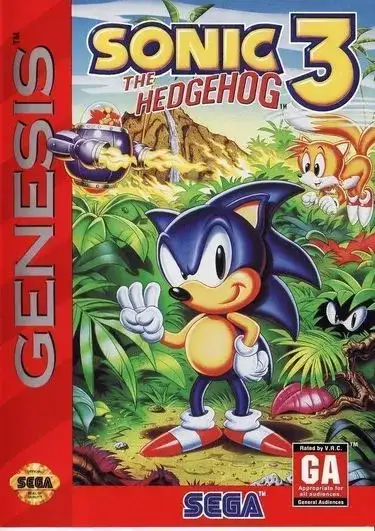
Sonic the Hedgehog 3
Sonic the Hedgehog 3 is a 1994 platform game developed by Sega Technical Institute and published by Sega for the Sega Genesis. Like previous Sonic games, players traverse side-scrolling levels while collecting rings and defeating enemies. They control Sonic and Tails, who attempt to retrieve the Chaos Emeralds to stop Doctor Robotnik from relaunching his space station, the Death Egg, after it crash-lands on a mysterious floating island. Sonic 3 introduces Knuckles the Echidna, the island guardian, who lays traps for Sonic and Tails. Development began in January 1993 by Sega Technical Institute in California, shortly after the release of Sonic the Hedgehog 2. It was initially developed as an isometric game, similar to what became Sonic 3D Blast (1996), but became a conventional 2D platformer due to time constraints.
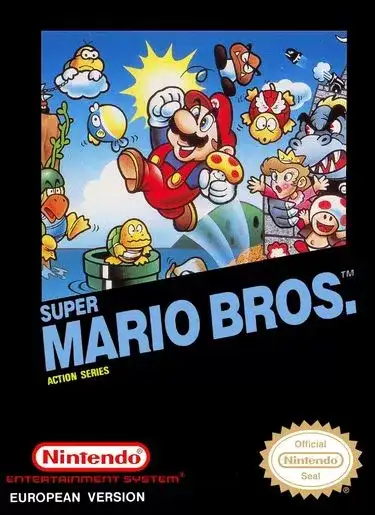
Super Mario Bros
Super Mario Bros. is a 1985 platform game developed and published by Nintendo for the Nintendo Entertainment System (NES). Directed and produced by Shigeru Miyamoto, it is the successor to the 1983 arcade game Mario Bros. and the first game in the Super Mario series. Players control Mario, or his brother Luigi in the multiplayer mode, to traverse the Mushroom Kingdom to rescue Princess Toadstool from King Koopa (later named Bowser). They traverse side-scrolling stages while avoiding hazards such as enemies and pits and collecting power-ups such as the Super Mushroom, Fire Flower, and Starman. Miyamoto and Takashi Tezuka designed Super Mario Bros. as a culmination of the team's experience working on Devil World and the side-scrollers Excitebike and Kung Fu "Kung-Fu Master (video game)"). Miyamoto wanted to create a more colorful platform game with a scrolling screen and larger characters. The team designed the first level, World 1-1, as a tutorial for platform gameplay.
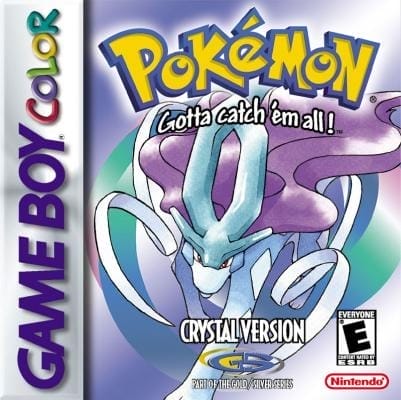
Pokémon Crystal
Although Pokémon Crystal is the lowest-selling main series Pokémon game to date, it still ranks among the top ten best-selling Game Boy titles. Critics praised Crystal for its additional features and improvements but noted that many of these features were less significant in the non-Japanese versions, which lacked Mobile Adapter GB support. Retrospective reviews have been highly positive, with many acknowledging Crystal's introduction of features that would become commonplace in later iterations of the Pokémon series, and its role in maintaining interest during a waning period for the franchise.
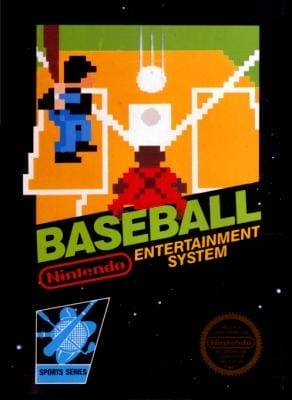
Baseball
This article is about the Nintendo-developed game. For other video games of the same name, see Baseball (disambiguation). Baseball North American NES box art Developers Nintendo R&D1 Intelligent Systems Publisher Nintendo Designer Shigeru Miyamoto[6] Composers Yukio Kaneoka Hirokazu Tanaka Platforms Nintendo Entertainment System, arcade, Famicom Disk System, Game Boy, Nintendo e-Reader Release December 7, 1983 Genre Sports (baseball) Modes Single-player, multiplayer Arcade system Nintendo VS. System, PlayChoice-10 Baseball[a] is a baseball video game developed and published by Nintendo for the Family Computer (Famicom). It was originally released in Japan on December 7, 1983, a few months after the July 15 launch of the Famicom.[7] An arcade version titled VS. Baseball released for the Nintendo VS. System in 1984, featuring enhanced graphics and speech, becoming a hit at Japanese and American arcades. The game was later released as launch title for the Nintendo Entertainment System in North America in 1985,[8] and in Europe in 1986.[9] It was also ported to the Game Boy in 1989 as one of the handheld's four launch titles.[
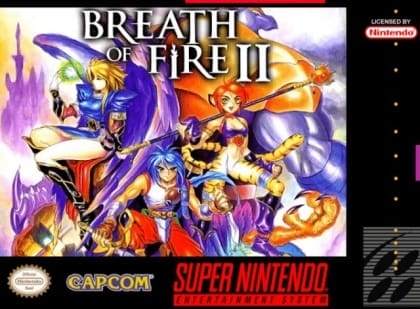
Breath of Fire II
Breath of Fire II is a role-playing video game developed and published by Capcom. First released in 1994, the game was licensed to Laguna for European release in 1996. It is the second entry in the Breath of Fire series. It was later ported to Game Boy Advance and re-released worldwide. The game was released on Wii's Virtual Console in North America on August 27, 2007. Nintendo of Europe's website mistakenly announced it for release on July 27, 2007, but it was in fact released two weeks later, on August 10, 2007. In 2013, it was released for the Wii U Virtual Console. In 2016, it was released for the New Nintendo 3DS Virtual Console. In 2019, it was released for the Nintendo Switch SNES games library. Unlike later installments in the series, Breath of Fire II is a direct sequel to Breath of Fire. Set 500 years after the original game, the story centers on an orphan named Ryu Bateson, whose family vanished mysteriously long ago.
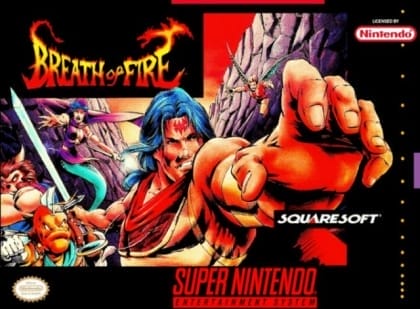
Breath of Fire
Breath of Fire[a] is a role-playing video game developed by Capcom originally for the Super Nintendo Entertainment System. Initially released in Japan in April 1993, the game was later made available in North America in August 1994 by Square Soft, who handled the title's English localization and promotion. It is the first entry in the Breath of Fire series. Recognized by Capcom as their first traditional role-playing video game, Breath of Fire would set the precedent for future entries in the series, and features character designs artist Keiji Inafune, as well as music by members of Capcom's in-house sound team Alph Lyla. In 2001, the game was re-released for the Game Boy Advance handheld system with new save features and minor graphical enhancements, with the English version being released in Europe for the first time. In 2016, it was released for the New Nintendo 3DS Virtual Console.[4] In 2019, it was released for the Nintendo Switch SNES games library.
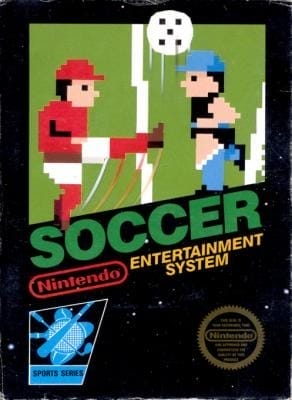
Soccer
Soccer is a soccer video game developed by Intelligent Systems and published by Nintendo for the Nintendo Entertainment System. It was released in Japan and North America in 1985, and in Europe in 1987. An arcade version for the Nintendo VS. System titled VS. Soccer was released the same year. It was released for the Famicom Disk System in 1986. The NES version was released on the Wii and Wii U Virtual Console on June 12, 2014 and on the Nintendo Classics service in 2018, while the arcade version was released by Hamster Corporation as part of their Arcade Archives series for the Nintendo Switch in 2020.
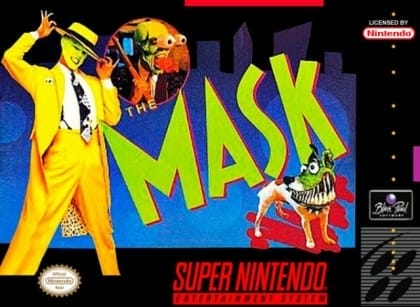
The Mask
The Mask is a 1995 side-scrollingactionvideo game developed and published by THQ subsidiary Black Pearl Software for the Super Nintendo Entertainment System which is based on the film of the same name "The Mask (1994 film)"). The film, in turn, was loosely based on the Dark Horse comic book series of the same name "The Mask (comics)").#cite_note-allgame-2) The game received moderately positive reviews from critics, who were particularly pleased with its faithful recreation of the humor and visual style of the film, while criticizing the level design and difficulty. Mob boss Dorian Tyrell and his gang of rogues are secretly planning to take over Edge City, a small and prosperous city where the nightlife revolves around the wealthy patrons who attend the nightclub that Dorian owns and operates for the benefit of himself and his henchmen.
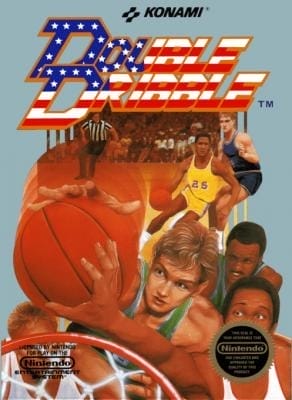
Double Dribble
Double Dribble (ダブルドリブル, Daburu Doriburu) is a 1986 basketball video game developed and published by Konami for arcades. It was the second basketball game by Konami, following Super Basketball. It was considered the most realistic basketball sports game upon release, with fast-paced action, detailed players, a large side-scrolling court, innovative cinematic slam dunks, and detailed sound effects, beginning a trend where presentation would play an increasingly important role in sports games.#cite_note-allgame-review-7) Much of the game's popularity came from its animation sequences showing basketball players performing slam dunks, as well as "The Star-Spangled Banner" theme during the attract mode. These were uncommon in video games at the time of Double Dribble's release. It was successful in the arcades, and the game became and remained popular and remembered when it was ported to the Nintendo Entertainment System in 1987.
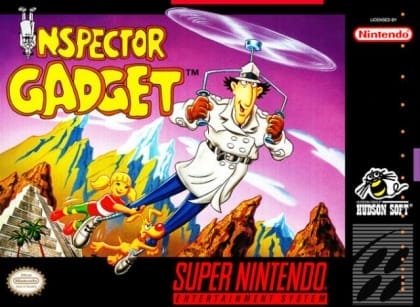
Inspector Gadget
Inspector Gadget is a 1993 side-scrollingaction video game for the Super Nintendo Entertainment System based on the television show of the same title "Inspector Gadget (1983 TV series)"). The game was released by Hudson Soft, with developers who also worked on Hudson's video game adaptations SWAT Kats: The Radical Squadron "SWAT Kats: The Radical Squadron (video game)") and An American Tail: Fievel Goes West "An American Tail: Fievel Goes West (video game)"). The normally bumbling Gadget is portrayed as fairly competent as he must rescue his niece Penny from the clutches of Dr. Claw and his M.A.D. terrorist organization. Dr. Claw's face makes a rare appearance in the game, unlike the cartoon, which keeps his face hidden.#cite_note-1) The player controls Inspector Gadget as he travels around the world to rescue his niece Penny, who has been kidnapped by the terrorist organization M.A.D. and its leader Dr. Claw.
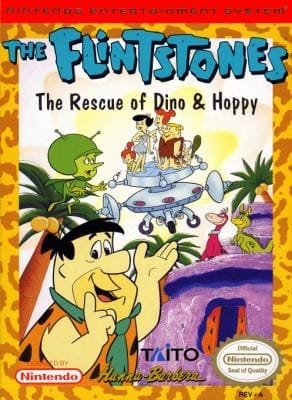
The Flintstones: The Rescue of Dino & Hoppy
The Flintstones: The Rescue of Dino & Hoppy (Japanese: フリントストーン The Rescue of Dino & Hoppy) is a 1991 platformvideo game by Taito for the Nintendo Entertainment System and based on the animated series The Flintstones. Taito would later release another Flintstones game for the NES titled The Flintstones: The Surprise at Dinosaur Peak in 1993.
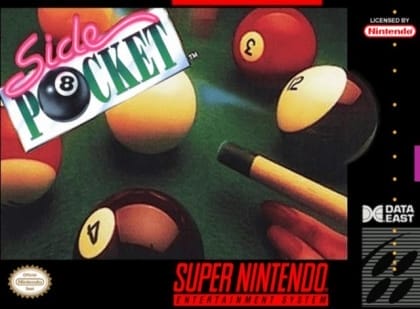
Side Pocket
The Game Boy version of Side Pocket is a slight modification from the NES version, featuring a smaller playing field (to compensate with Game Boy's screen), new set of soundtrack and a different screen layout. Like in NES version, the Pocket Game mode features 4 levels and the player starts with 5 lives. One unique addition to the Game Boy version is the ability to play single-player nine-ball mode, while in other versions this mode is limited only to two players. Enhanced remakes of the game were later released for the Sega Genesis, Super Nintendo Entertainment System, and Game Gear. This version features updated contents compared to the original NES and Game Boy versions, including revamped graphics, new soundtrack, and photo-realistic background sceneries during gameplay. The main game modes remain identical to the original, with several alteration on the Pocket Game mode.
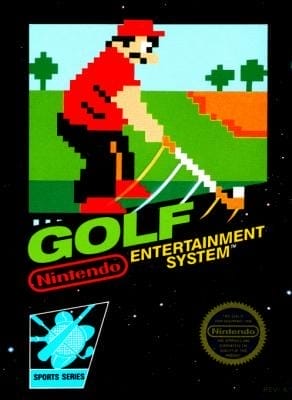
Golf
In 1983, the Famicom had only three launch games, and its library would soon total seven, including Golf. Shigeru Miyamoto said he was "directly in charge of the character design and the game design",#cite_note-Miyamoto_Spills-5) and Satoru Iwata said he was the only programmer.#cite_note-only_prog-6) Golf has been re-released on many other consoles after its release. Hudson Soft released a conversion of the game for the Japan-only PC-88 and Sharp X1 in 1985.[citation needed]Golf was released for the Japan-only Family Computer Disk System on February 21, 1986.#cite_note-13) It was re-released for the Nintendo e-Reader for the Game Boy Advance on April 21, 2003.#cite_note-14) Both the NES and Game Boy versions were released on the Virtual Console for Wii U and Nintendo 3DS.#cite_note-15)#cite_note-16) It was re-released on the Nintendo Switch via Nintendo eShop on October 25, 2019, by Hamster Corporation as part of its Arcade Archives series.
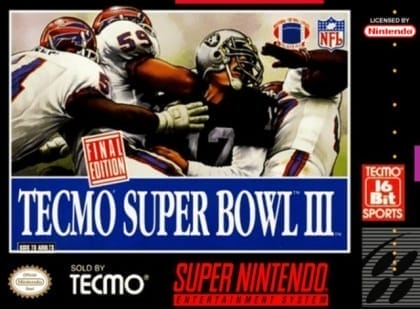
Tecmo Super Bowl III: Final Edition
Tecmo Super Bowl III: Final Edition is a 1995 American football video game released on the Super Nintendo Entertainment System and the Sega Genesis. According to a spokesperson for the game's developer/publisher, Tecmo, the subtitle "Final Edition" refers to it being the last football game Tecmo would make for 16-bit systems. The game features the full NFL and NFLPA licenses. The game is closer to the real-life sport in comparison to the NES and the previous two SNES/Sega Genesis_Tecmo Super Bowl_ games in several ways. Each team has a playbook of eight passing plays and eight running plays, any one of which can be switched out and another put in its place in the middle of a game. It also includes some of the more nuanced strategies of football, such as attempting two-point conversions. Also setting itself apart from the NES-era games was the in-game presentation, which is more akin to the realistic "TV style" presentation of modern football games like the Madden series.
Browse our collection of 456 Games retro games, all playable instantly in your browser. No download required. Play classic games online in your browser and save your progress anytime.